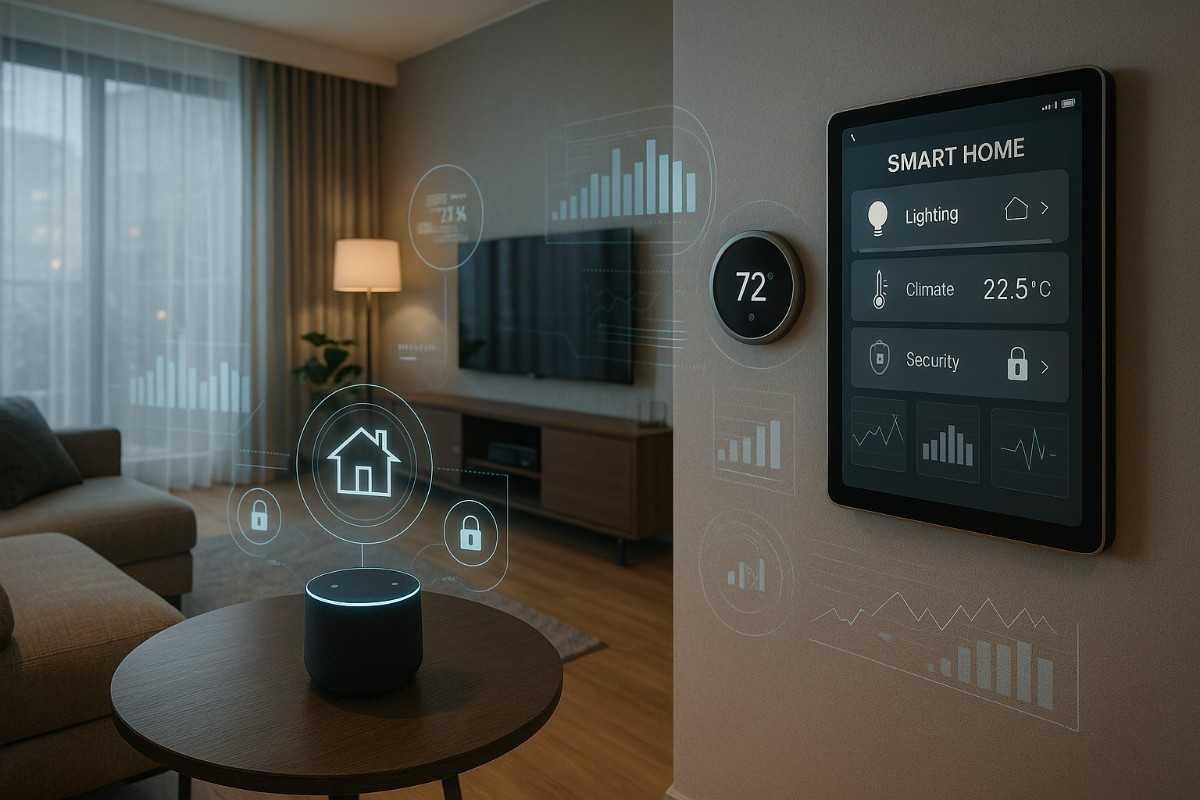
Technology has been steadily transforming our homes, but the rise of smart homes and IoT (Internet of Things) devices is ushering in a new era of convenience, efficiency, and connected living. Today, what was once science fiction—lights that turn on with a voice command, refrigerators that remind you of expired groceries, or thermostats that adapt automatically—is now reality.
Smart homes are no longer a luxury; they are becoming an integral part of modern life, offering benefits that extend from comfort and security to energy savings and health monitoring.
1. What Are Smart Homes and IoT Devices?
A smart home is a residence equipped with devices that can connect to the internet and communicate with one another to automate tasks, enhance convenience, and improve quality of life. IoT devices are the backbone of this system. They include sensors, cameras, appliances, and wearable technology that share data and can often be controlled remotely via apps, hubs, or voice assistants.
Common Smart Home Devices:
- Smart speakers (Amazon Echo, Google Nest)
- Smart lighting and thermostats
- Security cameras and smart locks
- Smart refrigerators and ovens
- Health and fitness trackers
- Smart plugs and energy monitors
2. Convenience at Your Fingertips
One of the most obvious benefits of smart homes is convenience. Imagine walking into your house and having the lights adjust automatically, the thermostat set to your preferred temperature, and your favorite music playing—all without touching a button.
Voice assistants, mobile apps, and automation routines allow homeowners to:
- Control appliances remotely
- Schedule lighting and HVAC
- Receive notifications about deliveries, security breaches, or maintenance needs
This makes daily life smoother and more efficient.
3. Energy Efficiency and Sustainability
Smart homes aren’t just about luxury—they can also be eco-friendly. IoT devices monitor energy usage and suggest optimizations that reduce waste.
- Smart thermostats learn daily routines to reduce heating and cooling costs.
- Energy-efficient lighting can turn off automatically when rooms are unoccupied.
- Smart plugs monitor appliance energy consumption, helping households cut unnecessary usage.
These features not only lower bills but contribute to a greener planet.
4. Enhanced Security and Peace of Mind
IoT technology has transformed home security. Smart cameras, doorbells, and locks allow residents to monitor their homes in real time. Alerts can be sent to smartphones if unusual activity is detected.
- Video doorbells let you see and speak to visitors remotely.
- Smart locks provide temporary access codes for guests or service providers.
- Integrated alarm systems can automatically notify authorities in emergencies.
The result? Greater peace of mind and more secure living spaces.
5. Health and Lifestyle Monitoring
Smart homes increasingly focus on personal wellness. From sleep trackers to connected scales and air quality monitors, IoT devices help users make informed lifestyle choices.
- Smart beds track sleep quality and adjust firmness or temperature.
- Air purifiers monitor air quality and adjust performance automatically.
- Smart kitchen appliances help maintain healthy diets by tracking nutrition and inventory.
These features create a holistic ecosystem for health-conscious living.
6. Challenges and Considerations
While smart homes promise convenience, efficiency, and safety, there are challenges to consider:
- Privacy concerns: Data collected by devices could be vulnerable to breaches.
- Interoperability issues: Devices from different brands may not always integrate seamlessly.
- Cost and maintenance: High-end devices and smart infrastructure can be expensive.
Consumers must balance the benefits with security practices, careful selection of devices, and ongoing maintenance.
The Future of Smart Homes
The future of smart homes is fully connected, intuitive, and predictive. AI-powered systems will anticipate needs before users even express them, appliances will learn from habits, and homes will respond dynamically to health, weather, and lifestyle changes.
Smart homes and IoT are not just reshaping how we live—they’re defining the very concept of modern living.