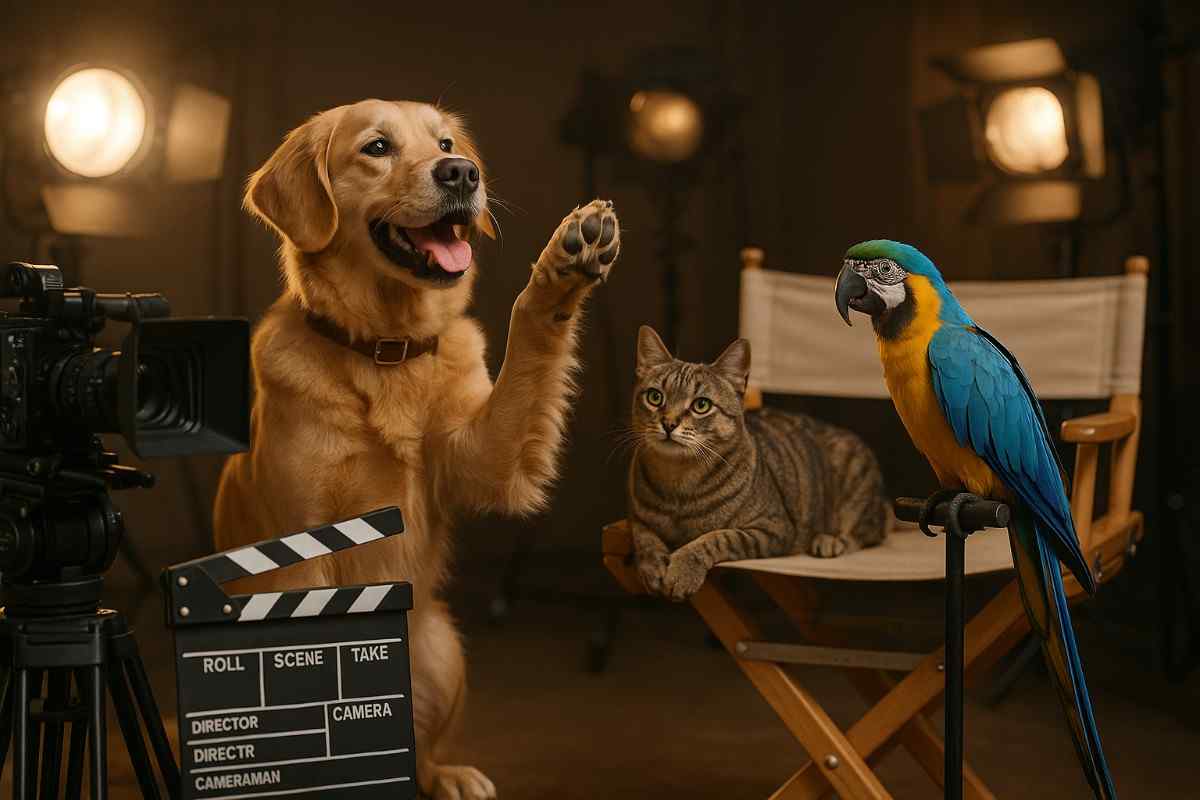
From loyal dogs and mischievous cats to exotic birds and clever rodents, pets have long been integral to storytelling in film and television. They are not just side characters—they are companions, heroes, comic relief, and sometimes the stars of the show. Pets evoke empathy, joy, and nostalgia, creating memorable moments that linger long after the credits roll.
Whether through live-action performances, CGI creations, or a mix of both, pets in media have become cultural icons.
1. Dogs: The Quintessential Screen Companions
Dogs are arguably the most popular pets in movies and TV shows. Their loyalty, expressive faces, and natural ability to connect with humans make them perfect for the screen.
Notable Examples
- Lassie – The ultimate heroic collie, embodying courage and loyalty.
- Beethoven – The lovable St. Bernard who creates chaos while melting hearts.
- Old Yeller – A classic tale of bravery, love, and loss.
Dogs often symbolize friendship, courage, and unconditional love, making them universally relatable characters.
2. Cats: The Mischievous and Mysterious Stars
Cats bring charm, independence, and often humor to movies and TV. Their unpredictable behavior adds both comedic and dramatic tension.
Notable Examples
- Garfield – The lazy, sarcastic cat loved for his comic antics.
- Salem in “Sabrina the Teenage Witch” – A witty, talking black cat delivering humor and mischief.
- The Aristocats – Animated felines capturing hearts with elegance and playful personalities.
Cats often portray cunning, independence, or whimsical mystery, offering a different emotional layer than dogs.
3. Exotic Pets and Birds: Adding Color and Magic
Beyond cats and dogs, birds, reptiles, and other exotic pets add flair, symbolism, or comic relief.
Notable Examples
- Tweety and Sylvester – The iconic cat-and-bird rivalry from cartoons.
- Iago in “Aladdin” – The witty parrot sidekick adding personality and humor.
- Harry Potter’s Hedwig – The loyal snowy owl symbolizing guidance and companionship.
Exotic pets often serve as plot devices, magical elements, or visually striking companions.
4. Pets as Storytelling Devices
Pets often help advance plots, develop characters, or deliver humor and emotion. They can:
- Highlight a character’s nurturing or responsible side
- Serve as comic relief in tense moments
- Act as loyal companions through challenges
- Symbolize innocence, courage, or loyalty
A well-placed pet can make a storyline more relatable, touching, or entertaining.
5. Real vs. CGI Pets
The evolution of technology has expanded possibilities for pets on screen:
- Trained live animals offer authenticity and charm, but require careful handling.
- CGI pets allow filmmakers to depict impossible actions, magical abilities, or anthropomorphic behavior safely.
Both techniques are often combined for optimal effect, creating unforgettable characters.
6. Cultural Impact
Pets in movies and TV have influenced real-life pet adoption trends, merchandise, and fandoms. Think of the surge in Dalmatian adoptions after 101 Dalmatians or the global love for cats in animated films. Screen pets also encourage empathy and compassion for animals in real life.
Conclusion: The Timeless Bond
Whether heroic, mischievous, magical, or simply adorable, pets on screen resonate because they reflect the emotional bonds we share with animals in real life. They make us laugh, cry, and remember that the world is better with a loyal companion by our side.