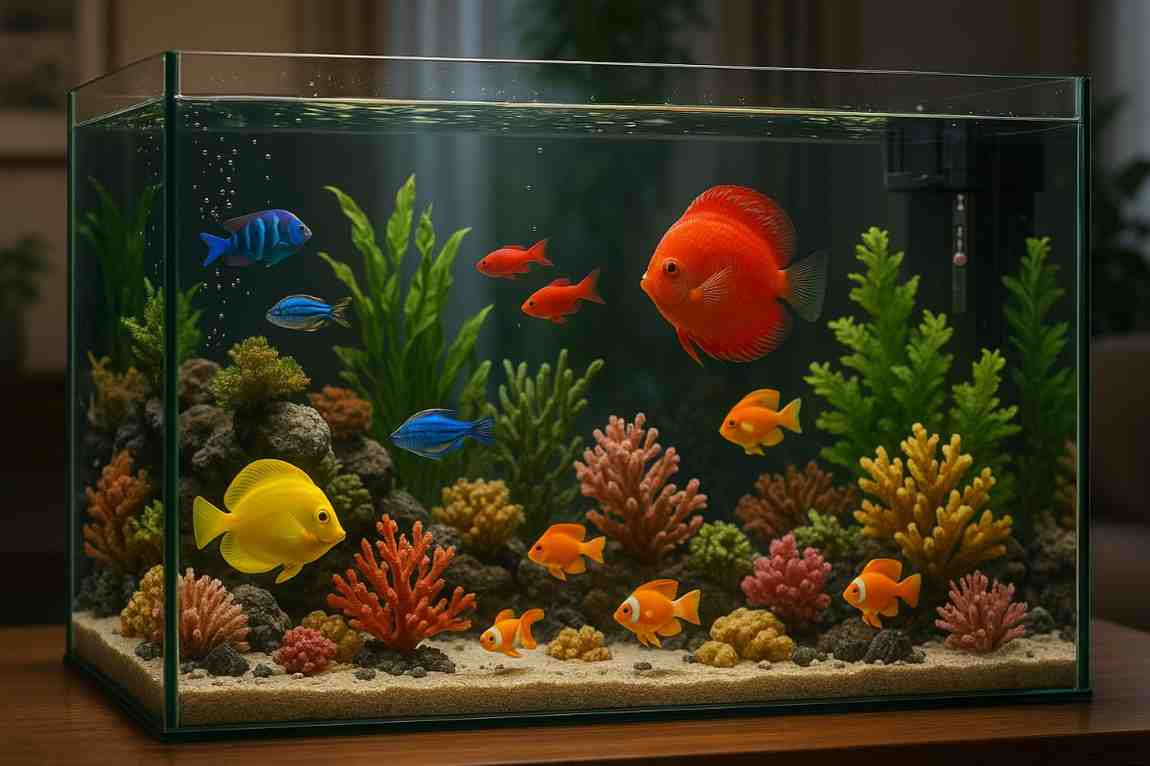
Aquariums are more than decorative pieces—they are windows into the mesmerizing world of aquatic life. From tiny tropical fish to elaborate reef ecosystems, aquariums provide beauty, tranquility, and a sense of connection to nature. However, maintaining a healthy aquarium requires knowledge, dedication, and proper fish care. Whether you are a beginner or an experienced aquarist, understanding the essentials ensures that your aquatic pets thrive.
1. Choosing the Right Aquarium
The first step in creating a successful aquarium is selecting the right tank.
Key Considerations:
- Size: Larger tanks are more stable and forgiving for beginners.
- Shape: Rectangular tanks offer better surface area for oxygen exchange; cylindrical or bowl-shaped tanks are visually appealing but can be harder to maintain.
- Material: Glass is traditional, acrylic is lighter and often clearer.
- Placement: Avoid direct sunlight and areas prone to temperature fluctuations.
2. Setting Up the Aquarium
Creating a healthy environment for fish involves careful planning:
Steps for Setup:
- Clean the tank before adding water or decorations.
- Install filtration and heating systems to maintain water quality and temperature.
- Add substrate such as sand, gravel, or specialized reef materials.
- Decorate with plants, rocks, or corals to provide hiding spots and enrich the environment.
- Cycle the tank for several weeks to establish beneficial bacteria that support a stable ecosystem.
3. Choosing Fish and Companions
Not all fish are compatible. Consider:
- Species compatibility: Avoid mixing aggressive with peaceful species.
- Size and growth: Ensure tank mates can coexist as they grow.
- Water parameters: Some species prefer freshwater, others saltwater, and temperature ranges vary.
Popular choices for beginners include guppies, tetras, bettas, and goldfish, while experienced aquarists may explore cichlids, angelfish, or reef fish.
4. Feeding and Nutrition
A balanced diet is critical for fish health:
- Commercial fish food: Flakes, pellets, or frozen varieties.
- Live or frozen food: Brine shrimp, bloodworms, or daphnia for protein.
- Variety: Rotating foods prevents deficiencies and keeps fish healthy.
- Moderation: Overfeeding leads to poor water quality and health problems.
5. Maintaining Water Quality
Water quality is the foundation of fish health:
- Regular testing: Monitor pH, ammonia, nitrite, and nitrate levels.
- Filtration: Mechanical, chemical, and biological filters remove waste.
- Partial water changes: Replace 10–25% of water weekly to maintain stability.
- Temperature control: Keep tropical fish within recommended temperature ranges.
Healthy water ensures fish are active, colorful, and disease-resistant.
6. Health and Disease Management
Even well-maintained tanks can face problems:
- Common diseases: Ich, fin rot, and fungal infections.
- Observation: Watch for unusual behavior, discoloration, or clamped fins.
- Quarantine: New fish should be quarantined before introduction.
- Treatment: Use medication or adjust water conditions as needed.
Proactive care prevents minor issues from becoming fatal.
7. The Joy of Aquarium Keeping
Aquariums offer a unique blend of relaxation, education, and visual beauty. Watching fish swim gracefully, observing interactions, and designing miniature aquatic ecosystems can be meditative and rewarding. With proper care, an aquarium becomes a living work of art—a peaceful slice of underwater serenity in your home.